
Emergency Fund 101: How Much Should You Really Save?
December 15, 2025
Robins Financial Credit Union is dedicated to our mission to be Member Focused, Financial Partners, Community Proud. We empower our members with the financial knowledge and resources they need to make informed decisions and achieve their financial goals.
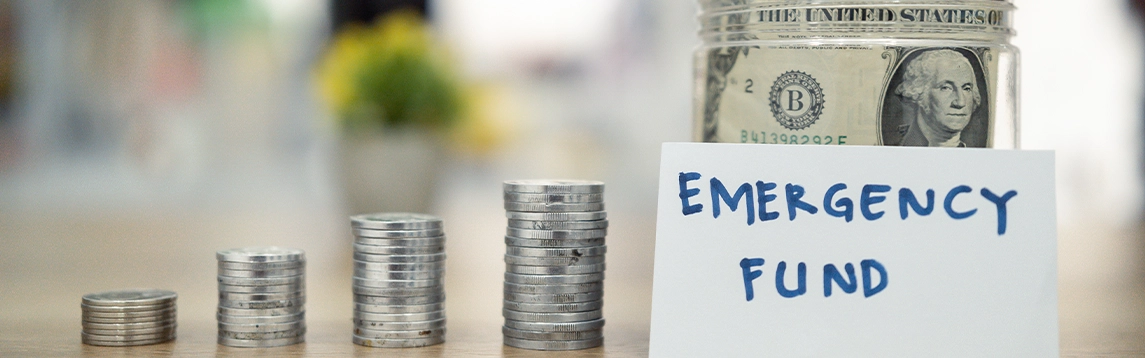
Life has a way of throwing us curveballs when we least expect them. Whether it’s an unexpected car repair, a medical bill, or a sudden job loss, emergencies happen. When they do, having an emergency fund can make all the difference between stress and financial stability.
An emergency fund acts as a safety net, helping cover unplanned expenses without relying on credit cards or loans. But one of the most common questions people ask is: How much should I really save? The answer isn’t the same for everyone, but with the right plan, you can build a cushion that fits your lifestyle and goals.
What is an Emergency Fund?
An emergency fund is money set aside specifically for unexpected expenses or financial emergencies. This fund should be easily accessible – ideally kept in a savings account that earns interest and allows for quick withdrawals when needed.
Think of it as your personal insurance policy against life’s surprises. It’s not meant for planned expenses like vacations or new gadgets, but for real emergencies such as:
- Job loss or reduction in income
- Major medical expenses
- Car or home repairs
- Unexpected travel (such as a family emergency)
Having this fund in place gives you peace of mind knowing that when something unexpected happens, you’re financially prepared to handle it.
Why is it Important to Have?
Without an emergency fund, a sudden expense can throw your entire budget off balance. Many people rely on credit cards or loans to cover these costs, which can lead to high-interest debt and financial stress.
According to financial experts, a large percentage of people struggle to cover even a $1,000 emergency expense. Building a financial safety net ensures that one unexpected event doesn’t turn into long-term debt.
In short, an emergency fund:
- Prevents Debt: You can pay for emergencies without using credit.
- Provides Peace of Mind: You’ll feel more secure knowing you can handle the unexpected.
- Promotes Stability: You can focus on your goals instead of worrying about “what ifs”.
How Much Should You Really Save?
Most people get stuck trying to figure out the right amount to save. While there’s no one-size-fits-all number, most financial experts recommend saving three to six months’ worth of living expenses. However, the right amount for you can depend on several factors:
- Your Income Stability: If you have a stable job or dual-income household, you might be comfortable with three months of expenses. But if you’re self-employed, work on commission, or have an unpredictable income, six months or more is safer.
- Your Dependents: If you’re supporting children or other family members, it’s wise to build a larger cushion. The more people rely on your income, the more protection you’ll need.
- Your Fixed vs. Variable Expenses: People with higher fixed costs, like a mortgage payment, car payment or medical expenses, should aim for a larger fund. If your lifestyle allows flexibility, you might manage with a smaller amount initially.
- Your Comfort Level: At the end of the day, your emergency fund should make you feel secure. Some people feel comfortable with three months of expenses, while others prefer the peace of mind of a full year’s worth of savings.
How to Build Your Emergency Fund
Building an emergency fund doesn’t happen overnight, and that’s okay. The key is consistency and patience. Here’s how to get started:
- Step 1: Start Small
- If the idea of saving several months of expenses feels overwhelming, start with a smaller, achievable goal. Aim for $500 to $1,000 as your initial target. That amount can cover most minor emergencies like a car repair or medical co-pay.
- Step 2: Know Your Monthly Expenses
- Track your essential expenses for a few months to understand what you actually need to live on. Include housing, food, transportation, utilities, and insurance. This total will guide your ultimate savings goal.
- Step 3: Set Up Automatic Transfers
- Treat your emergency fund like any other bill. Set up an automatic transfer from your checking to your savings account each pay period. Even $25 to $50 a time adds up faster than you think.
- Step 4: Save Windfalls
- Use bonuses, tax refunds, or gifts to boost your fund. Instead of spending unexpected money, deposit it directly into your emergency savings.
- Step 5: Keep it Accessible, But Separate
- Your emergency fund should be easy to access in a true emergency, but not so easy that you’re tempted to dip into it for non-essentials. A separate savings account, especially a high-yield one, is ideal.
When to Use Your Emergency Fund
It’s important to know what qualifies as an “emergency”. True emergencies are unplanned, necessary, and time-sensitive. For example:
- Your car breaks down and you need it to get to work.
- You face an unexpected medical bill.
- You lose your job or have your hours cut.
It’s not for:
- A last-minute vacation
- Holiday shopping
- Buying concert tickets or new gadgets
When you use your emergency fund, make a plan to replenish it as soon as possible. That way, it’s ready for the next unexpected event.
Reassess and Make Adjustments Over Time
Your emergency fund isn’t something you set once and forget. Review it regularly – at least once a year – to ensure it still fits your needs.
Major life changes like marriage, having a child, buying a home, or changing jobs can all affect your expenses and, therefore, your savings target. Adjust your fund accordingly so it always reflects your current lifestyle.
The Bottom Line
An emergency fund is the foundation of a healthy financial life. It provides stability, reduces stress, and helps you avoid debt when life takes an unexpected turn.
Start small, stay consistent, and celebrate each milestone along the way. Even a modest fund can make a big difference when you need it most.
At Robins Financial, we’re here to help you every step of the way. Whether you’re opening your first savings account or building toward a long-term goal, we offer the tools and guidance to help you create a stronger, more secure financial future.
- Visit our website to explore our variety of savings products.
- Open your account online or make an appointment to visit your nearest branch.
- Read more of our blogs to help build your emergency fund.
Read our other blog articles to help you gain the financial knowledge you need to succeed.
Warning: You Are Leaving This Site.
You are about to follow a link to [Link].
Please be advised that Robins Financial is not responsible for the content of the site for which you are about to view, nor can Robins Financial guarantee that the site will be available. The privacy and security policies of the site you are visiting may differ from those established and published by Robins Financial.
To proceed, click 'continue' below. To remain on this site, click 'cancel' below.